Dead Tree Removal in Pottstown, PA
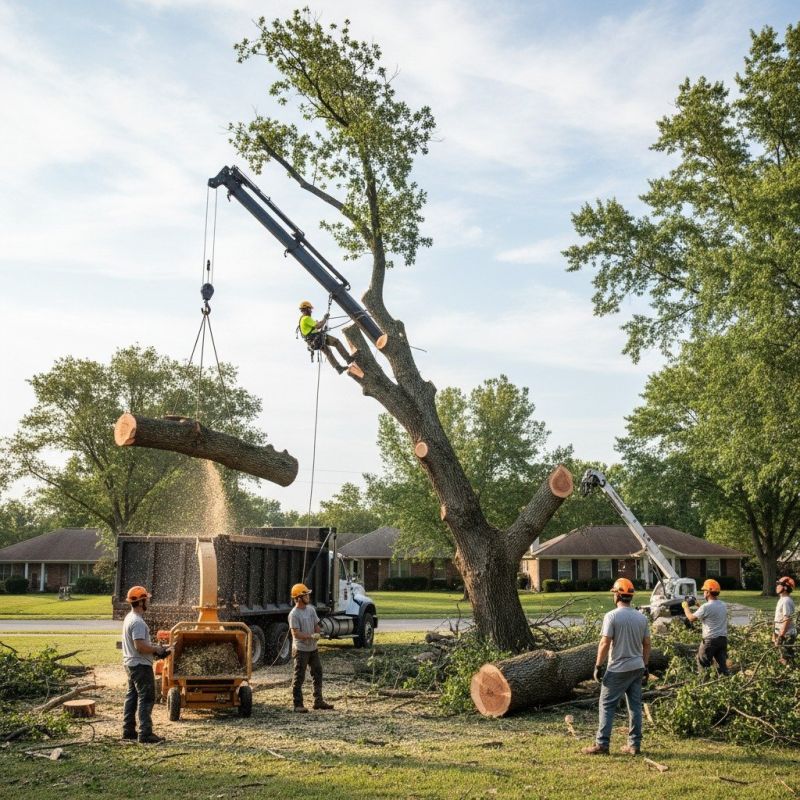
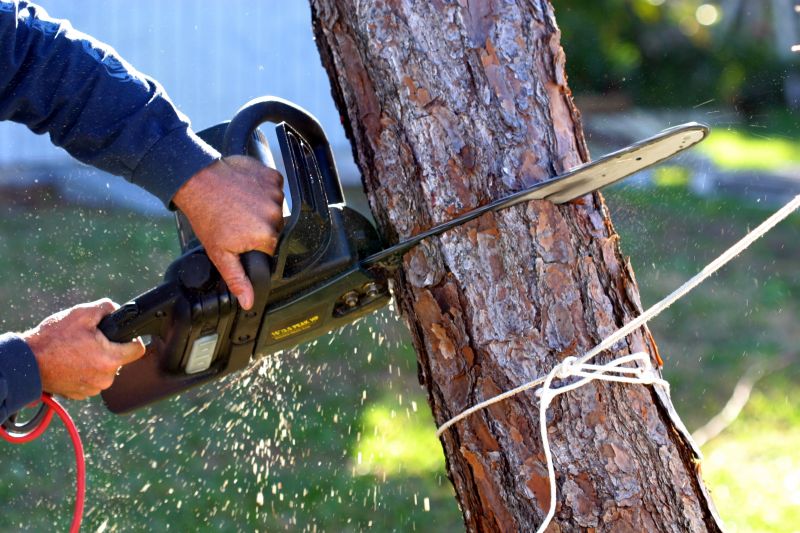
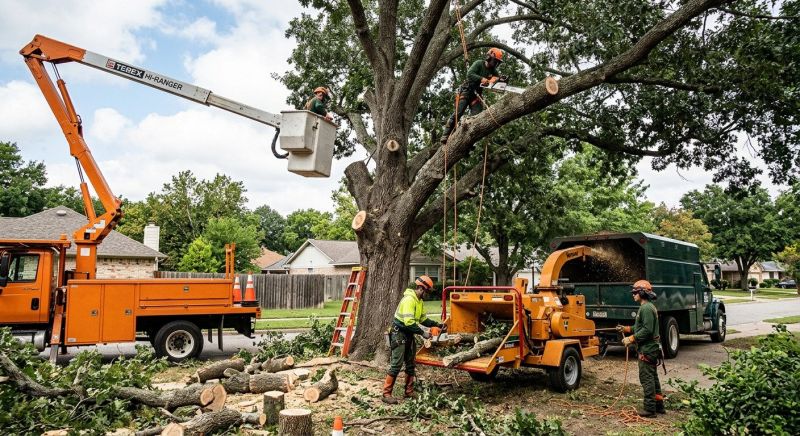
Dead tree removal services involve the safe and efficient removal of trees that are dead, dying, or pose a risk to the property. This type of project typically includes assessing the health and stability of the tree, and then using specialized equipment to carefully cut and remove the tree without damaging surrounding structures or landscaping. Homeowners often request dead tree removal when a tree shows signs of decay, extensive damage from storms, or when it has become a safety hazard due to falling branches or potential toppling.
Before requesting dead tree removal, property owners should consider the location of the tree, its size, and any nearby structures or utilities. It’s important to understand whether the tree’s removal will require permits or special precautions, especially in densely developed areas or near power lines. Clear communication about the scope of work, including the removal process and disposal of the debris, helps ensure the project proceeds smoothly and safely.
Many property owners in Pottstown, PA look into Dead Tree Removal for repairs, replacements, upgrades, and appearance-related improvements.
Importance Of Dead Tree Removal
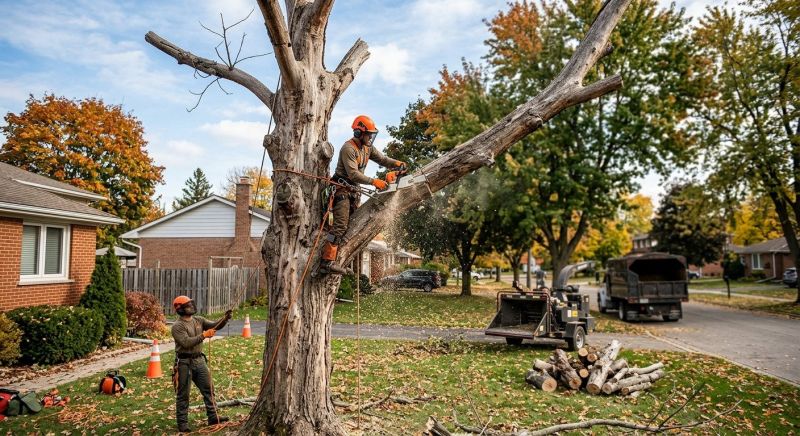
Removing dead trees helps prevent potential damage to property and ensures safety for residents.
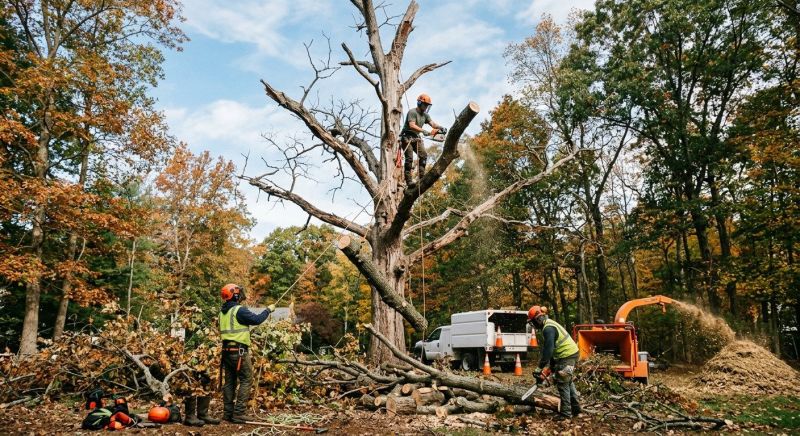
Signs A Tree Needs Removal
Signs include dead branches, trunk decay, and leaning or unstable trees on residential or commercial properties.
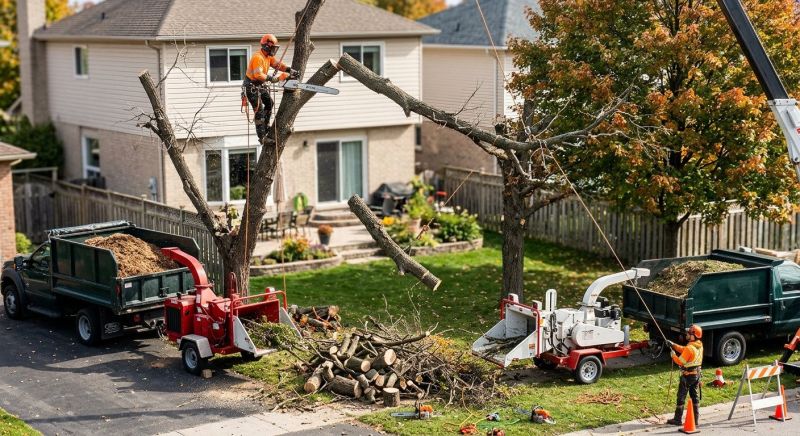
Common Removal Situations
Dead trees may need removal after storms, for construction projects, or when they pose a hazard near homes and power lines.
Dead Tree Removal in Pottstown, PA
Dead tree removal services involve the safe and efficient removal of trees that are dead, dying, or pose a risk to the property. This type of project typically includes assessing the health and stability of the tree, and then using specialized equipment to carefully cut and remove the tree without damaging surrounding structures or landscaping. Homeowners often request dead tree removal when a tree shows signs of decay, extensive damage from storms, or when it has become a safety hazard due to falling branches or potential toppling.
Before requesting dead tree removal, property owners should consider the location of the tree, its size, and any nearby structures or utilities. It’s important to understand whether the tree’s removal will require permits or special precautions, especially in densely developed areas or near power lines. Clear communication about the scope of work, including the removal process and disposal of the debris, helps ensure the project proceeds smoothly and safely.
Many property owners in Pottstown, PA look into Dead Tree Removal for repairs, replacements, upgrades, and appearance-related improvements.
Common Dead Tree Removal Jobs
Dead Tree Removal - safely eliminates hazardous or decayed trees from residential properties.
Storm-Damaged Tree Removal - clears trees that have been compromised by severe weather conditions.
Overgrown Tree Removal - reduces excessive tree growth that blocks sunlight or encroaches on structures.
Unhealthy Tree Removal - removes trees showing signs of disease or pest infestation.
Emergency Tree Removal - provides prompt removal of fallen or unstable trees threatening safety.
Stump Removal - extracts remaining stumps after tree removal to improve landscape appearance.
Dead Tree Removal Questions
Why should dead trees be removed? Dead trees can pose safety hazards and may attract pests or disease to nearby healthy plants.
What are common signs a tree needs removal? Signs include dead or dying branches, peeling bark, and a lack of leaf growth during the growing season.
Is dead tree removal necessary near structures? Yes, dead trees close to buildings or power lines should be removed to prevent potential damage or injury.
What is the benefit of removing a dead tree? Removing a dead tree improves property safety, enhances landscape appearance, and prevents potential damage to other plants or structures.
Request Dead Tree Removal in Pottstown, PA
Use the quote form on this page to share the basics of your project and request more information for the type of work you need.