Canopy Pruning in San Jose, CA
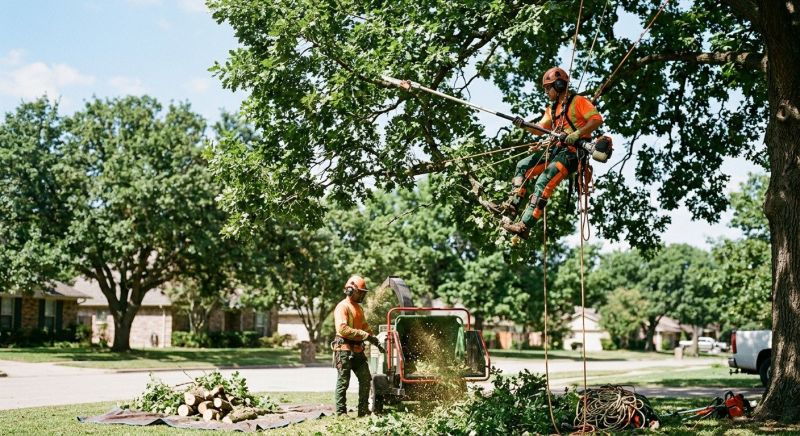
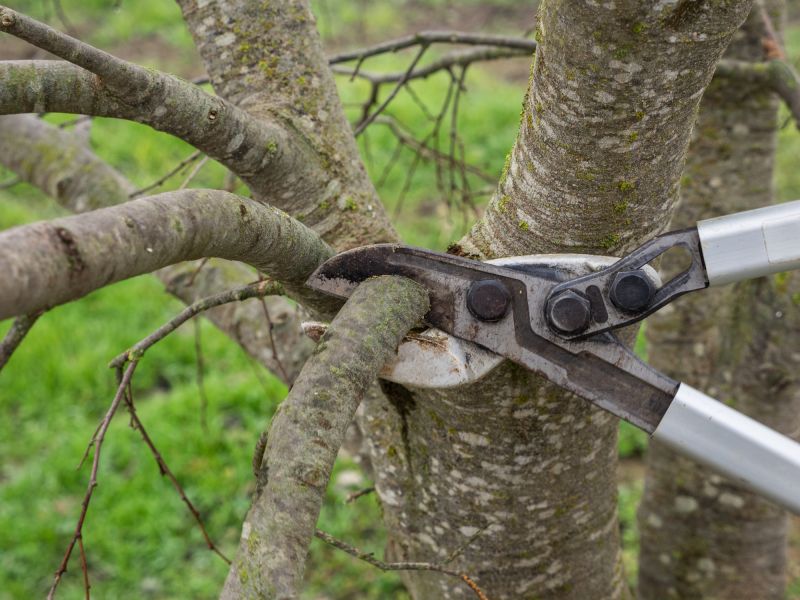
Canopy pruning services involve selectively trimming the upper branches and foliage of trees to improve their health, appearance, and safety. This type of pruning is ideal for maintaining the structure of mature trees, removing dead or diseased limbs, and preventing overgrowth that could interfere with power lines, buildings, or walkways. Homeowners often request canopy pruning to enhance the aesthetic appeal of their property, promote better airflow, and reduce the risk of branch failure during storms or high winds.
Before requesting canopy pruning, property owners should consider the specific needs of their trees, including the species and age, as well as any local regulations or safety concerns. It’s helpful to understand which parts of the tree require trimming and the overall goal of the project, whether for health, safety, or visual reasons. Clear communication about the desired outcome can ensure the pruning work aligns with the property’s landscape and maintenance plans.
Many property owners in San Jose, CA look into Canopy Pruning for repairs, replacements, upgrades, and appearance-related improvements.
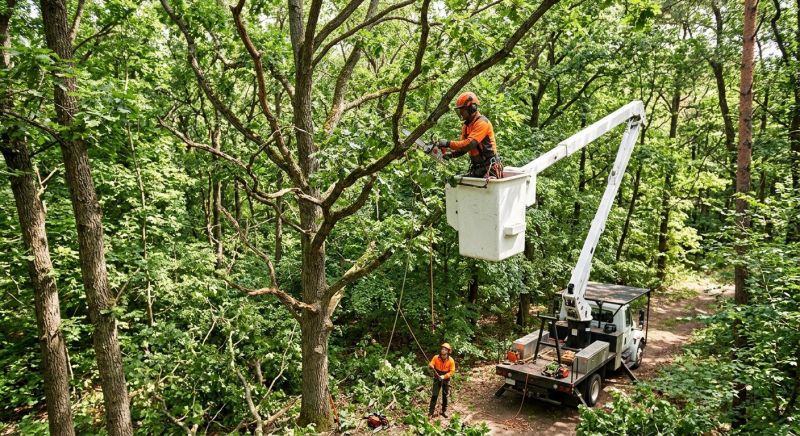
Canopy Shaping And Thinning
Proper pruning enhances canopy structure and improves airflow for healthier growth.
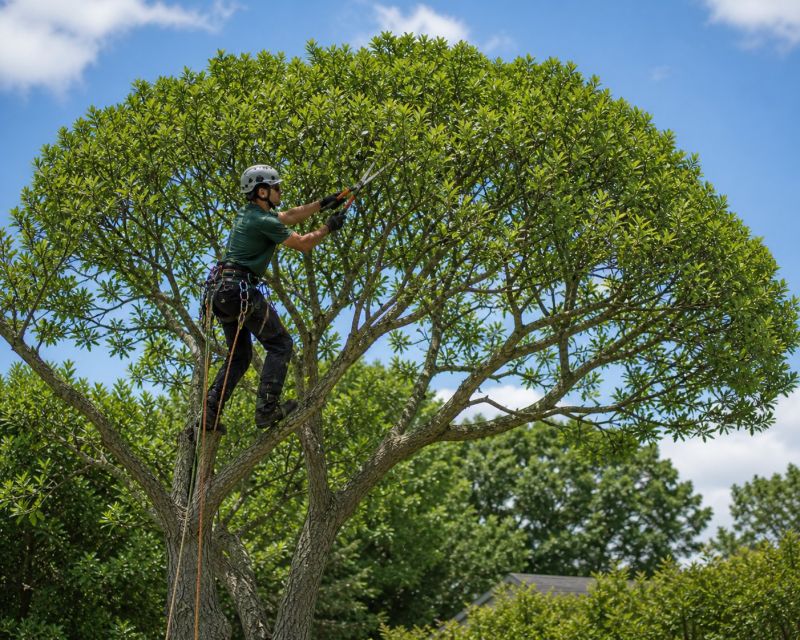
Safety And Clearance Pruning
Removing overgrown branches ensures safe access and prevents potential property damage.
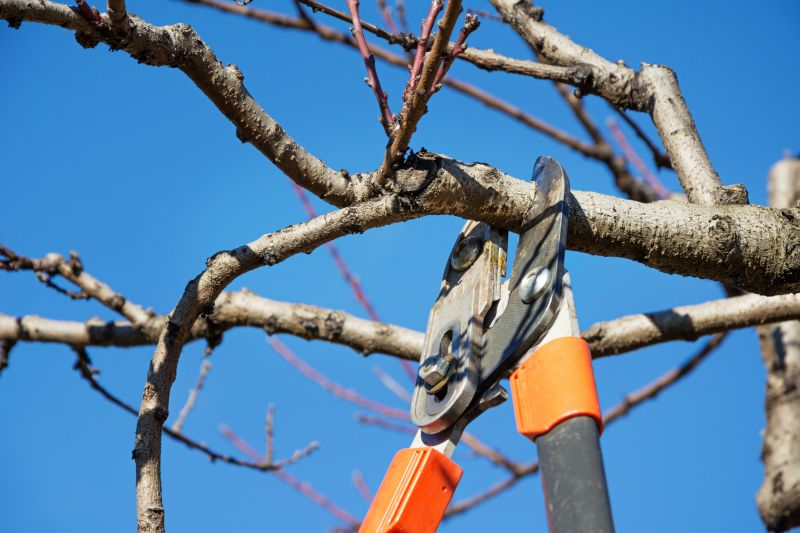
Deadwood And Disease Removal
Eliminating dead or diseased branches helps maintain tree health and aesthetic appeal in san jose landscapes.
Canopy Pruning in San Jose, CA
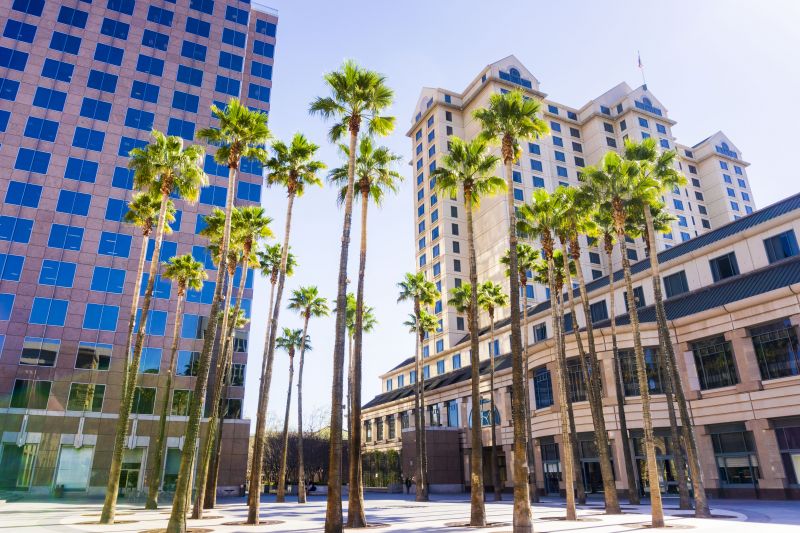
Canopy pruning services involve selectively trimming the upper branches and foliage of trees to improve their health, appearance, and safety. This type of pruning is ideal for maintaining the structure of mature trees, removing dead or diseased limbs, and preventing overgrowth that could interfere with power lines, buildings, or walkways. Homeowners often request canopy pruning to enhance the aesthetic appeal of their property, promote better airflow, and reduce the risk of branch failure during storms or high winds.
Before requesting canopy pruning, property owners should consider the specific needs of their trees, including the species and age, as well as any local regulations or safety concerns. It’s helpful to understand which parts of the tree require trimming and the overall goal of the project, whether for health, safety, or visual reasons. Clear communication about the desired outcome can ensure the pruning work aligns with the property’s landscape and maintenance plans.
Many property owners in San Jose, CA look into Canopy Pruning for repairs, replacements, upgrades, and appearance-related improvements.
Common Canopy Pruning Jobs
Canopy pruning - involves trimming the upper branches to improve tree structure and health.
Tree canopy thinning - reduces density to allow more sunlight to reach lower branches and surrounding plants.
Structural pruning - removes weak or damaged branches to prevent potential hazards and promote stability.
Selective pruning - targets specific branches to shape the canopy and enhance overall appearance.
Overgrown canopy reduction - decreases the size of an overgrown canopy to prevent interference with structures or power lines.
Deadwood removal - eliminates dead or decaying branches to improve safety and tree vitality.
Canopy Pruning Questions
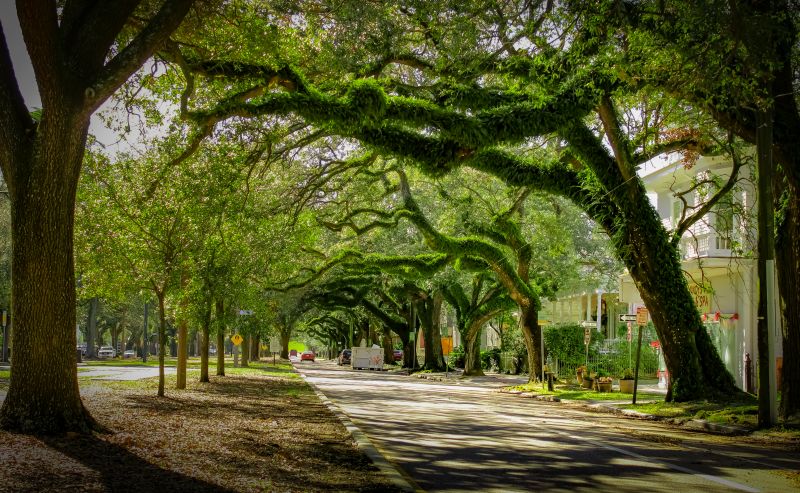
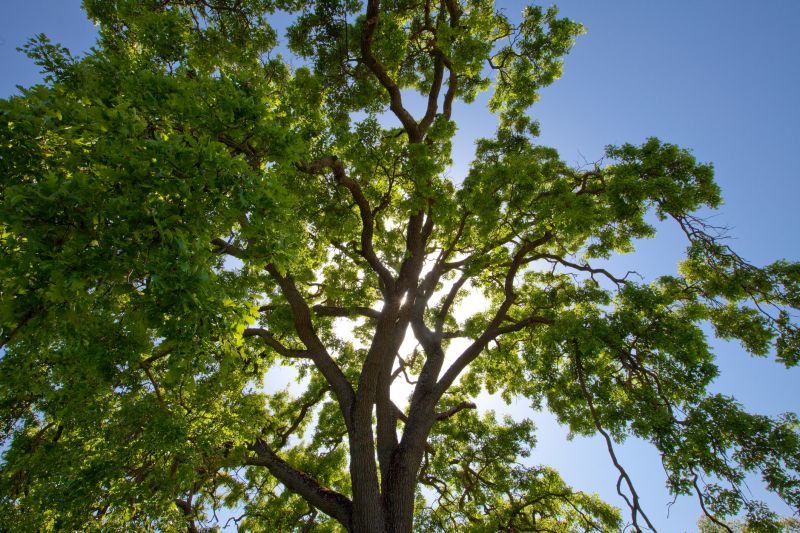
What is canopy pruning? Canopy pruning involves selectively trimming tree branches to improve structure, health, and appearance of the tree's upper parts.
Why should property owners consider canopy pruning? It helps maintain tree stability, promotes healthy growth, and enhances the visual appeal of the landscape.
What types of trees benefit from canopy pruning? Most deciduous and evergreen trees can benefit, especially those with dense or overgrown canopies that impact safety or aesthetics.
Is canopy pruning suitable for mature trees? Yes, it can be performed on mature trees to reduce risk, improve growth, and prolong the tree’s lifespan.
Request Canopy Pruning in San Jose, CA
Use the quote form on this page to share the basics of your project and request more information for the type of work you need.